)
)
The next generation of office design
Office design never stands still, says Joe Simpson, in this article looking at what changing trends mean for installers.
The past five years have witnessed an unprecedented pace of change due to seismic impact on our working practices of the coronavirus pandemic.
For many construction craftsmen – heating engineers, plumbers, carpenters, tilers, floor layers, painters, and decorators – understanding these changes, and offering potential clients appropriate solutions and services, is a sure fire way to keep customers satisfied and order-books full.
From smaller offices right through to large corporate headquarters, in modern workplace design, communal spaces have transitioned from optional extras to essential hubs for collaboration, social interaction, and employee well-being. From the basic corridors and casual break-out spaces of the past, today’s communal areas are designed as a “central heart” that draws people together, fostering a sense of belonging and culture that cannot be replicated in remote work.
Activity-based modelOne of the key words in modern workplace design is authenticity. This can reflect both the look and the organisational attributes of the communal spaces which is important because today’s offices feature a diverse ecosystem of shared environments. These increasingly follow an ABW (Activity-Based Working) model that allows employees to choose a space that most closely fits their current task.
From the rigid open-plan layouts and formal meeting rooms of the past, today’s work places feature multi-purpose social hubs. These are spacious, communal spaces that often combine kitchen facilities with comfortable seating like sofas or banquette-lined booths. These serve as the modern water cooler, facilitating spontaneous encounters and informal brainstorming.
Another increasingly common feature in the workplace is a collaboration zone. This is an informal breakout area with flexible furniture (movable tables, modular seating) and shared technology like digital displays or smartboards. Here the overarching aim is to offer useful and rapid support to reinforce teamwork.
These feature and others mean that today’s authentic offices are no longer just places to work; they are “experience multipliers” designed to foster human connection, reflect company identity, and support holistic well-being. As hybrid work becomes the standard, the office has evolved into a strategic destination that provides what employees cannot get at home: community, culture, and high-tech collaboration.
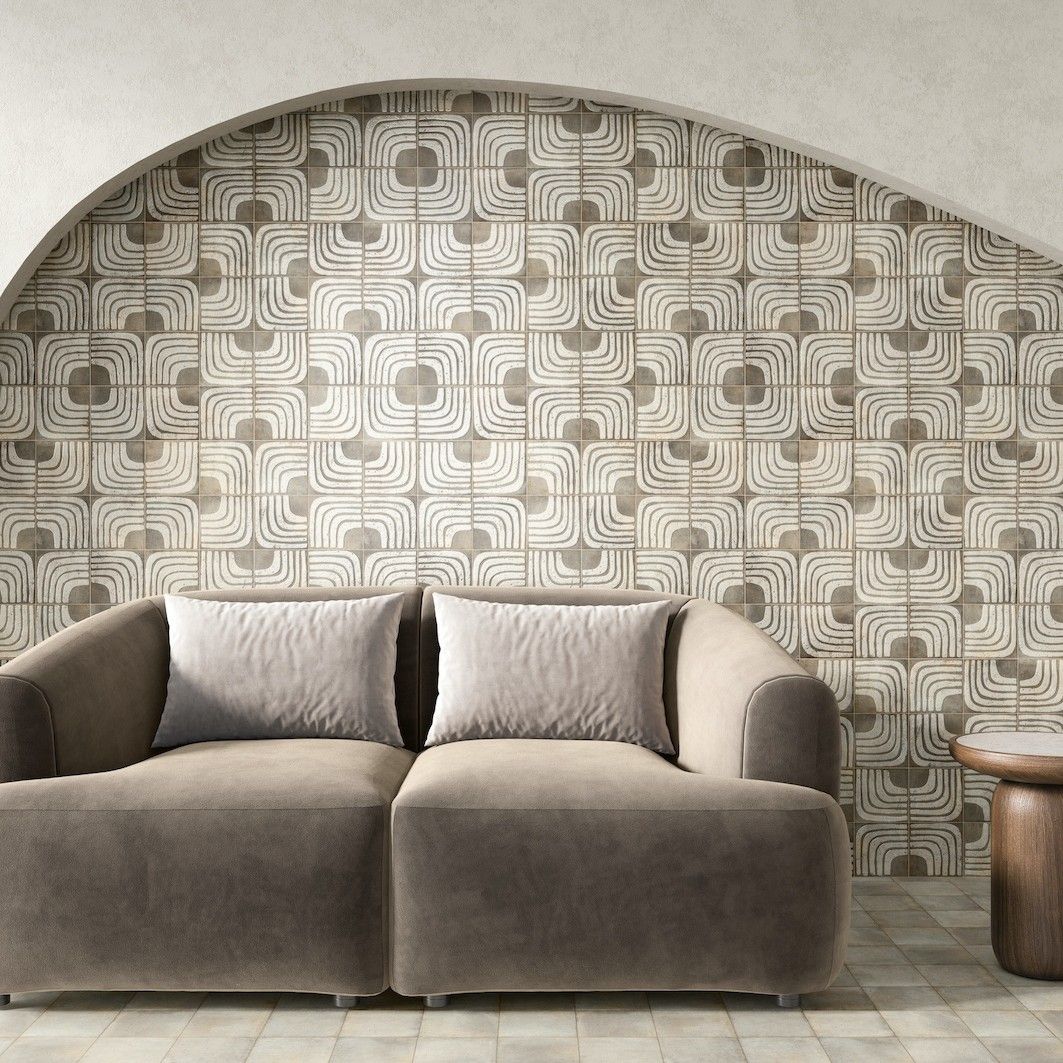
Welcoming environmentsOne of the key characteristics of the modern authentic office is now widely termed ’resimmercial’ design. As the name suggests this seamlessly blends residential comfort with commercial efficiency, using soft furnishings, warm neutrals, and ergonomic furniture to create a welcoming environment.
At the same time, these spaces are taking biophilic integration to the next level; moving beyond simple potted plants by weaving nature into the architecture through living walls. They are also making good use of a carefully curated range of sympathetic materials such as natural fabrics, wood, ceramics, breathable paints, and stone. These spaces also make maximum use of natural light to help reduce stress and boost creativity.
The integration of ABW (Activity-Based Working) has loosened up workplace space planning. Rigid cubicles have been replaced by movable dividers creating specialised zones. These can include quiet zones and libraries. Here the finishes are often selected for their acoustic performance, with soft furnishings and carpet used in place of a harder aesthetic.
Most modern workplaces now have café-style areas and lounges that encourage informal interactions and “impromptu brainstorming”. Also popular are collaboration zones. These are tech-enabled spaces with modular furniture on wheels, digital whiteboards, and VR setups for hybrid teamwork.
Inclusivity and sustainabilityInclusivity is also driving creative solutions, with forward-thinking employees offering wellness rooms, prayer areas, and sensory-considerate zones with controlled lighting and minimal visual clutter to accommodate different faiths and neurodiversity.
Other design influences, notably sustainability, are now a given in most contemporary workplaces. This has led to widespread adoption of low-emission materials, energy-efficient lighting, and facilities like bike storage and EV charging to support greener mobility.
We should expect further evolution in workplace design as companies rethink and reimagine their offices to align with new priorities: AI integration, acoustic excellence, neurodiversity support, and physical brand alignment.
Today well over a quarter of all office workers experience some form of hybrid working and this proportion is rising. The hybrid workplace is less about assigned desks and more about creating diverse work settings. The workplace remains a hub for connection, innovation, and culture – offering variety and choice with spaces optimised for collaboration, focused work, and virtual engagement that employees can’t replicate at home.
What are the key changes we will see in 2026/27?Leading the way will be office designs that integrate AI in meaningful ways. This may be through AI-powered systems that automatically adjust lighting in real time based on natural light levels and occupancy. AI can also offer dynamic temperature control that responds to individual preferences and usage patterns. Perhaps most important of all, AI can provide accurate space usage statistics that inform design decisions and optimise layouts; while simultaneously offering predictive maintenance that can address facility issues before they impact workers.
With the significant increase in virtual meetings and hybrid collaboration, office acoustic design has emerged as one of the most critical office design trends for 2026. Expect to see more acoustic zoning with areas designated for different sound levels, and fort your clients to specify high-performance acoustic panels and sound-absorbing materials. These will help in the creation of quiet working areas specifically designed for focused tasks that are acoustically separated from collaborative zones.
From an aesthetic point of view, modern workplace design is embracing a more sophisticated approach to colour with a welcome return to purposeful, strategic colour integration that ties closely with client vision and brand identity. In 2026/27 we will see more paint and soft furnishings featuring warm neutrals and sophisticated tones that create a calm environment. These will be supported by considered accent colours in textiles and furnishings. It has taken decades, but this could be the decade when colour psychology principles are routinely applied to support different work modes such as focus, collaboration, and relaxation. Modern workplace design will try to weave brand identity seamlessly into the environment through intentional colour choices in furniture, artwork, textiles, and architectural details.
This fluid design approach empowers employees and allows modern workspaces to be modified to suit changing team dynamics without costly reconstruction. Office refurbishment ideas increasingly focus on creating adaptable infrastructure that maximises space efficiency while supporting diverse work styles.
Find out more at InstallerSHOWAll these emerging workplace trends will be demonstrated and explored at InstallerSHOW in June.
InstallerSHOW is the ideal place to catch up with the latest trends in workplace design and other areas of architecture. That is because, as well showing the latest tools, techniques, and materials, InstallerSHOW delivers a diversified set of the latest design directions. Use your visit to discover just what will impress and inspire your clients: from individual home owners right through to large corporations.Office design never stands still, says Joe Simpson, in this article looking at what changing trends mean for installers.
The past five years have witnessed an unprecedented pace of change due to seismic impact on our working practices of the coronavirus pandemic.
For many construction craftsmen – heating engineers, plumbers, carpenters, tilers, floor layers, painters, and decorators – understanding these changes, and offering potential clients appropriate solutions and services, is a sure fire way to keep customers satisfied and order-books full.
From smaller offices right through to large corporate headquarters, in modern workplace design, communal spaces have transitioned from optional extras to essential hubs for collaboration, social interaction, and employee well-being. From the basic corridors and casual break-out spaces of the past, today’s communal areas are designed as a “central heart” that draws people together, fostering a sense of belonging and culture that cannot be replicated in remote work.