
)
)
How to know if a heat pump will fit or suit your property
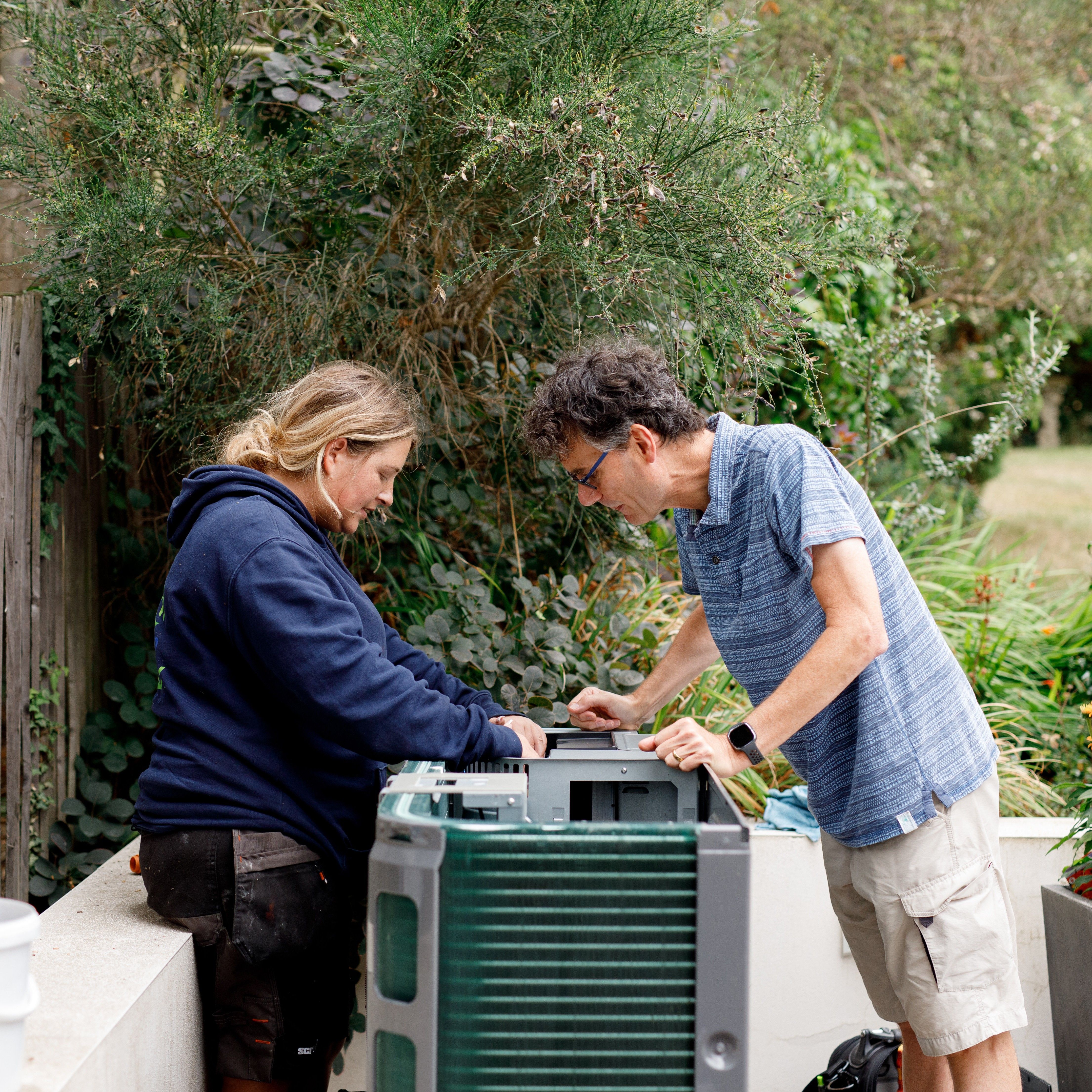
Heat pumps are increasingly popular among UK households looking for cleaner, more energy efficient ways to heat their properties. According to the Heat Pump Association a record 125,000 heat pumps were sold last year, and the owners of all kinds of properties are making the switch - Victorian terraces, 1960s detached houses, and modern semis. This sector is growing fast, and property owners are paying attention. For installers, the opportunity is growing quickly - those who step in now and offer informed, trusted advice will be best placed to benefit.
Heat pumps deliver around three times the efficiency of a traditional boiler and produce significantly lower emissions, making them a key part of futureproofing properties. Yet the most common question remains: how can property owners tell if a heat pump is right for them?
Working with the Association for Plumbing and Heating Contractors, we explore the main factors that influence suitability, common misconceptions, and the key questions you should ask installers when considering a heat pump. The takeaway is simple: heat pumps can work in all types of properties, as long as the system is designed correctly for the space.
Looking at the whole property
Determining suitability isn’t about one single feature - it’s about understanding how the entire property performs. Installers assess insulation, heat loss, available space, and heating distribution together as part of a structured survey. A buildings energy efficiency is made up by a number of factors, therefore when assessing suitability for a heat pump it is key to look at your property holistically.
Key practical considerations
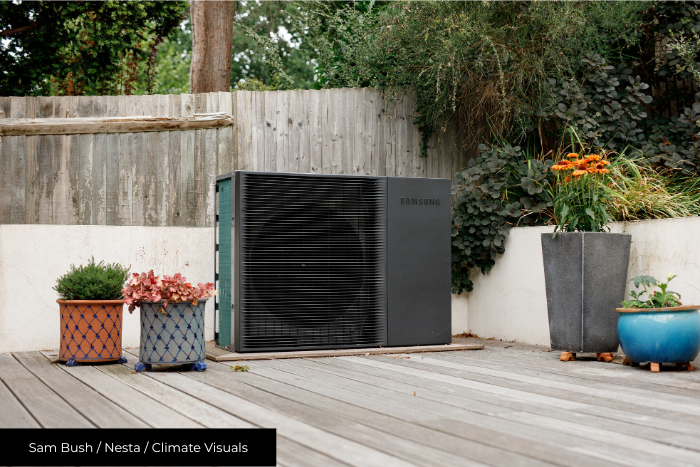
Things to consider include the level of insulation and the size of the property as these determine how much heat the building loses. You also need to think about where the outdoor unit can be placed, where the hot water storage will go, and whether the existing radiators are large enough to allow the system to run efficiently. Once an installer has assessed all these factors, the system design can be developed to perform effectively in the space.
In recent years, the range of properties suitable for heat pumps has increased. Even properties with limited outdoor space - such as flats and smaller buildings - can now benefit from air source heat pumps. These systems can be installed on roofs, meaning they do not require ground‑level access.
Insulation, age and construction type
Insulation is one of the most influential factors. Heat pumps operate at lower flow temperatures than boilers, which means properties with insufficient insulation relative to their size may lose heat too quickly, reducing efficiency and increasing running costs. This is why reviewing the property as a whole is essential, everything works together to influence the final system design.
Age and build type also shape performance, but they rarely limit suitability. A common myth is that properties built before 1919 cannot accommodate a heat pump. In reality, as long as the system is properly designed - and the property has reasonable levels of fabric insulation and draught proofing, which many already do or can easily achieve - older buildings can perform well. Installers will investigate these elements to determine the best system configuration, but this process does not exclude the property from being eligible.
Heating needs and high ‑demand properties
Property owners should start by understanding their current heating usage, but the essential step is a full room‑by‑room heat loss calculation. This determines the correct system size, radiator requirements, and performance expectations. Desired room temperatures, hot water patterns, and any planned future renovations should also be factored in.
Cold weather myths
A common myth is that heat pumps don’t work in colder weather. However, with external temperatures under -5 degrees Celsius, heat pumps continue to be highly efficient. The Electrification of Heat Demonstration Project showed that heat pumps had a coefficient performance of greater than 2 in these conditions. Also they can run continuously at lower temperatures to maximise efficiency and maintain comfort.
Future‑proofing and key questions
Heat pumps align well with the UK’s ambition to become a clean energy superpower and integrate effectively with technologies such as solar PV, home batteries, EV charging and smart controls. In many cases, property owners can run their heat pump using their own solar generation and storage, reducing reliance on the wider energy system and protecting themselves from volatile fossil fuel prices.
Before committing, property owners should ask installers about heat loss calculations, any required radiator upgrades, expected efficiency (SCOP), sound levels, available grants, warranties, servicing, and installation timelines.
It is worth noting that the government's Boiler Upgrade Scheme offers an upfront grant of £7,500, which can help reduce the cost of installing a heat pump for property owners. There is also a Heat Training Grant for installers that provides up to £500 towards the cost of training, with funding currently agreed until March 2029. Therefore, financial support is available to both property owners and installers to help transition to using a heat pump.
The most important thing to understand is that a heat pump is a whole‑property heating upgrade. Heat pump–driven systems keep all rooms and hallways at the same comfortable temperature, unlike many boiler‑driven systems. This constant, consistent comfort across the entire property is what makes heat pumps reliable, efficient, and future‑proofed.
To find out more about the Boiler Upgrade Scheme and heat pumps, visit gov.uk/cleanenergy.