
)
)
Bigger Isn’t Safer: The Hidden Cost of Oversized Pump Systems
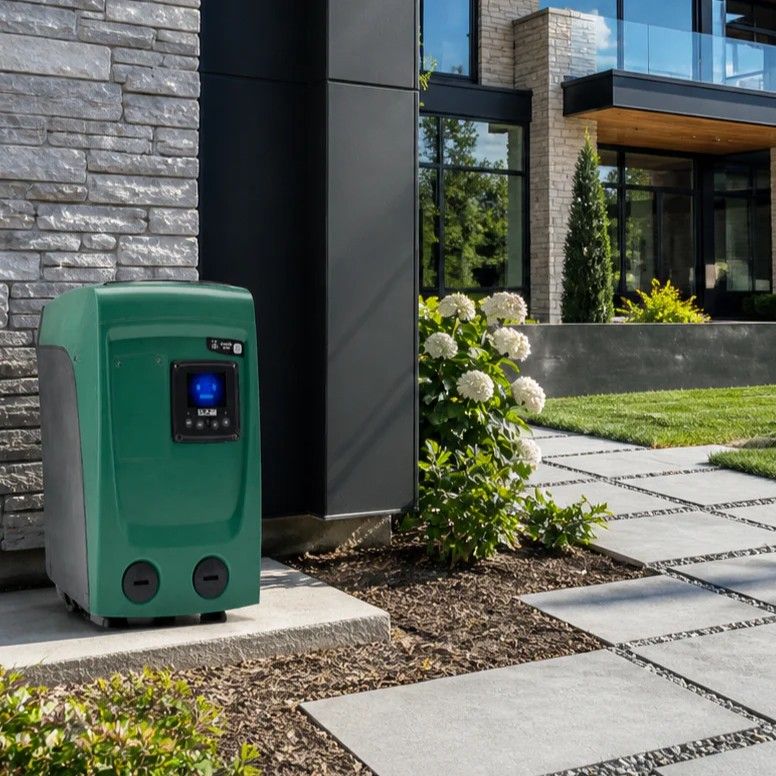
The long-standing habit of “playing it safe” when specifying pump systems could be quietly driving up energy costs and reducing system performance across UK buildings, according to water technology expert DAB Pumps.
Overspecification has traditionally been seen as a safeguard against risk; however, mounting evidence suggests the opposite may be true. Industry data indicates that pump systems are typically oversized by 20-30%1, creating a significant opportunity for energy savings if systems are correctly specified and operated.
Pump systems already account for a substantial share of global energy demand, estimated at around 20%2 of the world’s electricity usage. Even marginal inefficiencies at system level can therefore translate into meaningful cost and carbon impact at scale.
The issue is not limited to energy use because oversized pumps often operate away from their optimal efficiency point, leading to increased wear, higher noise levels and unnecessary strain on system components. In practice, this can result in more frequent maintenance issues and installer call-backs which is an often overlooked cost burden.
Research also shows that inefficiencies in pump systems can have a direct impact on energy consumption. Lower-efficiency pump operation can increase electrical energy use by around 20%3, highlighting how system performance is closely tied to correct sizing and operation. Despite this, overspecification remains common, largely driven by uncertainty in system design and a desire to future-proof installations.
According to Adam Ferneyhough, Country Director for the UK & Ireland at DAB Pumps, this approach is increasingly at odds with modern building requirements: “Historically, overspecifying has been seen as the safest option, but in reality it often creates more problems than it solves,” he explains. “An oversized pump will rarely operate at its most efficient point, which means higher energy consumption, increased wear and ultimately higher lifecycle costs.”
As buildings become more complex and energy performance comes under greater scrutiny, the margin for inefficiency is shrinking. The focus is shifting towards systems that are not only reliable, but precisely matched to demand.
“With today’s technology, there’s far less need to rely on ‘just in case’ sizing,” adds Adam. “Variable speed systems and smarter controls allow pumps to respond to real demand, rather than running inefficiently at fixed outputs. The challenge now is changing the mindset from overspecifying for safety to designing for accuracy.”
As energy costs remain a key concern and sustainability targets tighten, the industry must act now to reassess long-standing specification habits, because when it comes to pump systems, bigger is not always better and in many cases, it may be costing far more than expected
For more information on the DAB Pumps visit https://company.dabpumps.com/en/brand