)
)
Back to the future: 2026’s emerging design trend
InstallerSHOW is an ideal opportunity to see and experience the very latest interior design and architectural trends that will be influencing customers over the coming year. Here Diary of a Tile Addict’s Joe Simpson explains one of the emerging themes that is driving the innovations on show this year.
From financial crises and wars through to weather extremes and pandemics, major global events profoundly influence architectural and interior design trends. The banking collapse of 2008 saw a strong nesting instinct take over, with a calm neutral palette, and restful minimalism moving centre stage. The coronavirus pandemic, in contrast, saw an explosion in bold colours and statement pieces; perhaps due to the surge in WFH (working from home).
So what will be the design impact of the Gaza crisis, the wars between Ukraine and Russia, and Israel-USA and Iran, and the tsunami of AI-generate disinformation that they have spawned?
My conviction is that the answer is a return to analogue design. In particular, I am expecting to see more and more new homes, as well as refurb projects, that feature analogue rooms. These are set to be a major 2026/27 interior design trend. These are screen-free, low-tech spaces designed for relaxation, hobbies, and analog connection; a lifestyle focusing on tactile experiences like reading, listening to vinyl, playing board games, and face-to-face conversation.
While governments around the world wrestle with the idea of screen bans or social media exclusions for children, analogue rooms offer a household-by-household a reaction to the digital overload of today’s society.

With an analogue room the primary rule is no TVs, laptops, and mobile phones. In these spaces, these devises are replaced by designated areas for vinyl record players, 12in and 7in disc collections, books, jigsaws, typewriters, or games: intentional hobbies, rather than accidental occurrences.
One of the by-products of the desire for these analogue rooms is that we will start to see a move away from open plan homes – with combined kitchen, dining, and living spaces – towards layouts with more cozy, intimate rooms.
This, in turn, will lead the design conversation towards comfort and warmth. This will be seen in a strong revival of 70s-inspired colours. These warm and saturated tones will be supported by soft seating and subtle task lighting using floor-standing lamps and shaded bulbs.
Another approach may be to embrace zoning by using partition screens or furniture to establish a specific analogue zone.
However it is achieved, this trend embraces a slower pace of life, focusing on curated character and comfort over smart home gadgetry. Analogue decor often includes curated, storied items like old books, vintage furniture, antique tool, and houseplants.
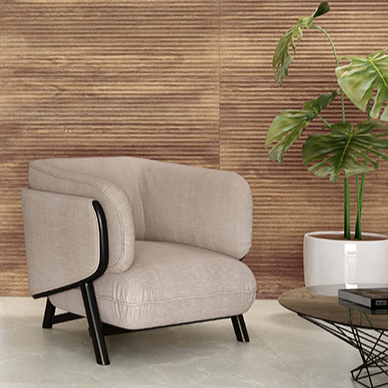
Key design elements in analogue roomsKey design elements of analogue rooms include a focus on creating environments that prioritise presence over distraction. These spaces will be full of tactile materials and designers and home owners alike shift toward sensory richness, where the feel of materials is as important as the look. The result will be ab uptick in the use of materials like natural wood such as pitch pine, walnut and oak), stone, bouclé, linen, and velvet.
Bouclé is a great example. This heavy, textured fabric made from looped yarn creates a particularly cozy surface. Known for its durability, softness, and luxurious feel, in the analogue room bouclé will feature natural fibres like cotton or wool, rather than artificial alternatives like polyester.
Layered lighting is also key to the analogue room appeal. Here harsh overhead lights are swapped out for soft, focused light sources like reading lamps, sconces, and candles to create a calm, human atmosphere. This will be emphasised by circled seating – sociable arrangements where sofas and armchairs face each other – as opposed to the unidirectional imperative of TV-centric rooms. In contrast, analogue rooms are built around non-digital focal points like record players, floor-to-ceiling bookshelves, board game tables, or creative hobby stations.
The analogue colour palette is rooted in functional and earthy tones, aiming to create a restful, unpretentious environment. The key colours are aquamarine, denim blue, granite grey, cardboard brown, and deep orange. These are used alongside warm neutrals like almond, cream, taupe, and beige. There is also growing use of earthy tones such as rust, soft terracotta, sienna, and clay red.
Perhaps the most surprising is the library palette of rich greens, deep browns, and dramatic burgundy: accent colours for an analogue age.

There is great room for experimentation here. An analogue room can be warm and cozy by combining red, orange, and yellow, such as sienna, burnt orange, and gold. Or the look can be soft and elegant using mauves and purples, such as plaster pink, and lavender. Another popular route is fresh and calm using a classic combination of greens, and blues, such as forest green, teal, petrol, and denim.
Lifestyle choices affecting trendsThe main protagonists of the analogue designs trend have made this part of wider lifestyle choices. Sometimes referred to as Nonna maxxing, this substitutes a goal-oriented obsession with personal productivity with long lunches, trail walking, and al fresco living. Anchored by the imagined wisdom of an Italian grandmother, this lifestyle trend emphasises good slow food, mineral water over carbonated drinks, and owning fewer better things.
It also embraces different modes of social behaviour such as abandoning social media. smiling at strangers, cooking with fresh produce, wearing natural clothing fibres, using natural skincare, and more.
It should be seen as a quiet rebellion against conspicuous consumption, artificial fibres, ultra processed food, and today’s hyper‑connected tech-focus in favour of something calmer, slower and more considered. It reflects a latent desire for simplicity and emotional connection in a world that feels overwhelming and unstable.
It is little wonder that the analogue room is coming to the fore at a time when the word ‘overstimulation’ has entered our everyday lexicon. But, for most home owners, going analogue isn’t about rejecting technology entirely, but about creating interiors that feel calmer, more rooted and nurturing. This year, the focus is on utilitarian, hand-crafted, and nostalgic design as we create spaces that have a comfortable, simple aesthetic that embraces low-key colours, matte finishes, and natural materials.